The Analysis Paradox
That the challenge isn’t in collecting data but in doing the analysis properly is beyond dispute. And even that is only half the truth, because after collecting and analyzing, someone is supposed to do something with the result. And that’s exactly the step that’s usually missing.
In the companies I’ve worked with, it mostly went the same way. Data and analyses were all there, and every Monday morning we sat in the team meeting going through the numbers again and again, even though they were clear to everyone. Customers were leaving because satisfaction was dropping, and even when it sparked discussions, real action was rarely taken. That has nothing to do with the quality of the analysis but with the culture in the company.
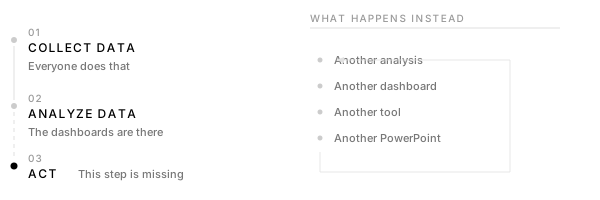
It’s often presented as if data analysis were the bottleneck. If only we had better tools, we could finally use the data. AI is supposed to help make things visible that were previously hidden. That sounds good, but it assumes the company also acts once something becomes visible. And most of the time nothing happens, even though everything is already on the table.
The reason is that action has consequences. Whoever takes the analysis seriously has to change processes and structures, sometimes even replace people. That’s uncomfortable and creates resistance, so instead the next analysis gets commissioned. The analysis becomes a substitute for the decision.
I once came across a company that used three different AI tools for customer analyses. The results were presented every quarter, properly prepared. To my surprise, almost no structural change was made on the basis of these analyses. The tools do their job, without any real change following from their results. In that case, to none at all.
What almost never comes up in this discussion is the political dimension of data. In companies, data is also an instrument of power. Whoever has the right numbers gets budget, whoever presents the wrong ones loses influence. Analyses aren’t always done to find something out, but to support an existing position. AI doesn’t change that, it just makes the tools more precise.
I witnessed a department commission an AI-based analysis and then ignore the result because it didn’t fit the picture. The time period, the model and the data set were adjusted until the numbers confirmed what had already been decided. The tool worked flawlessly, it was just used backwards.
The honest question wouldn’t be how we analyze better, but why we don’t do what we already know. This question is rarely answered, because the answer wouldn’t be a project but leadership and the willingness to make unpopular decisions. As long as analysis remains a substitute for the decision, better tools won’t change anything about that.
How these texts are written is explained here.