A Room That Wants Nothing
I stood in the jungle and my thoughts had run out. Bali made me quiet.
I did not visit a temple, did not book a retreat and had no program planned either. I had sensed something the last time and this time I had brought my camera equipment to understand it better. Taking pictures helps me similarly to writing, only sometimes better when it comes to spaces and surroundings. I saw this roof between the trees. It was open on all sides. I saw the dark tiles and the weathered wood. I wanted to peer inside just as the plants were trying to from every direction. The quiet was not acoustic. Birds, wind, water, there were sounds everywhere, but inside me it was as quiet as it rarely is. I had no explanation for it and I looked at my son who was with me and we both gazed without a question about the missing explanation, nor an answer to it. We were there for maybe twenty minutes and it felt like an hour. The quiet had made us slow.
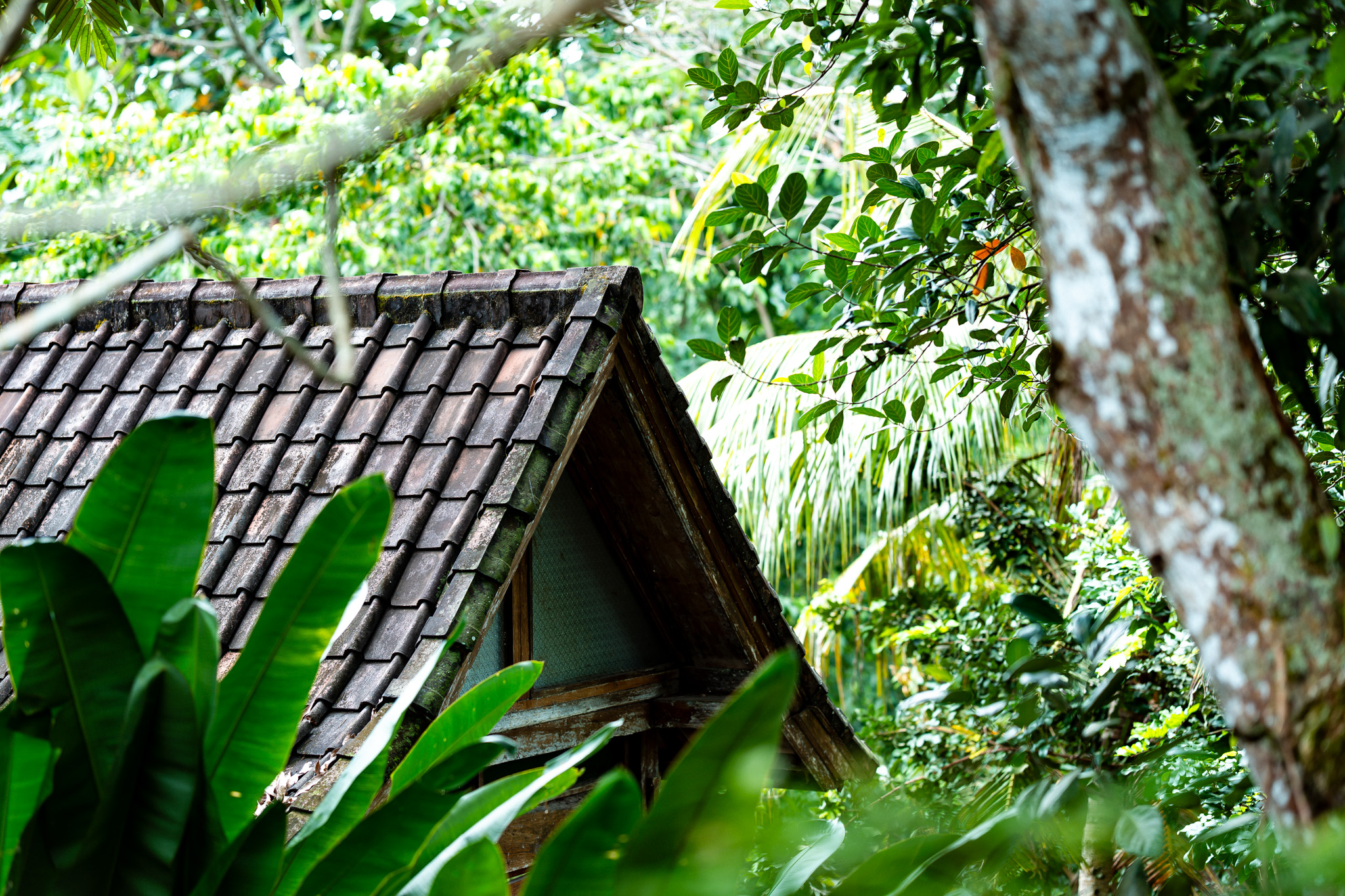
Yet something was on my mind nonetheless. Not the place itself, but the question it raised in me: What if this was built like this on purpose. Not by accident, just standing there in the middle of the wilderness, abandoned and useless, but what if it was made for exactly this.
The architecture I know thinks in functions. The way offices, schools, hospitals, museums and apartments simply have them. Every room has a clear task. I was confronted with the term neuroarchitecture through a photography project. It measures whether a room fulfills its task well or badly. That is what it should do at least, but initially it only measures neurological responses and allows conclusions. How much light is good for concentration, what is the right acoustics for communicative exchange. Which temperatures provide optimal wellbeing. That is important. But much of it is about performance. Of rooms and the people inside them. The room is supposed to do something. Make you more productive, healthier, more creative, calmer. The person inside is a user and the room is a tool.
What if the room is not a tool?
Not a room that informs, improves, makes you more productive, inspires, entertains, sells, persuades and so on and so forth. But a room that is empty. And that empties you. Precisely because it demands nothing of you or does anything to you, except being there.
That sounds esoteric at first, but it is not. Because anyone who has ever sat in an old church, and you do not have to be religious for that, knows the feeling. The architecture creates a state that has nothing to do with the function of the building. Something goes quiet. Not because someone told you it should be that way. But because the room makes it possible. Churches are made for people who believe. Museums put what is shown on display. Meditation centers are built for spiritual practice. No room is built for the person who simply wants to be there, without following a program, without having anything to do in it. A room that empties you.
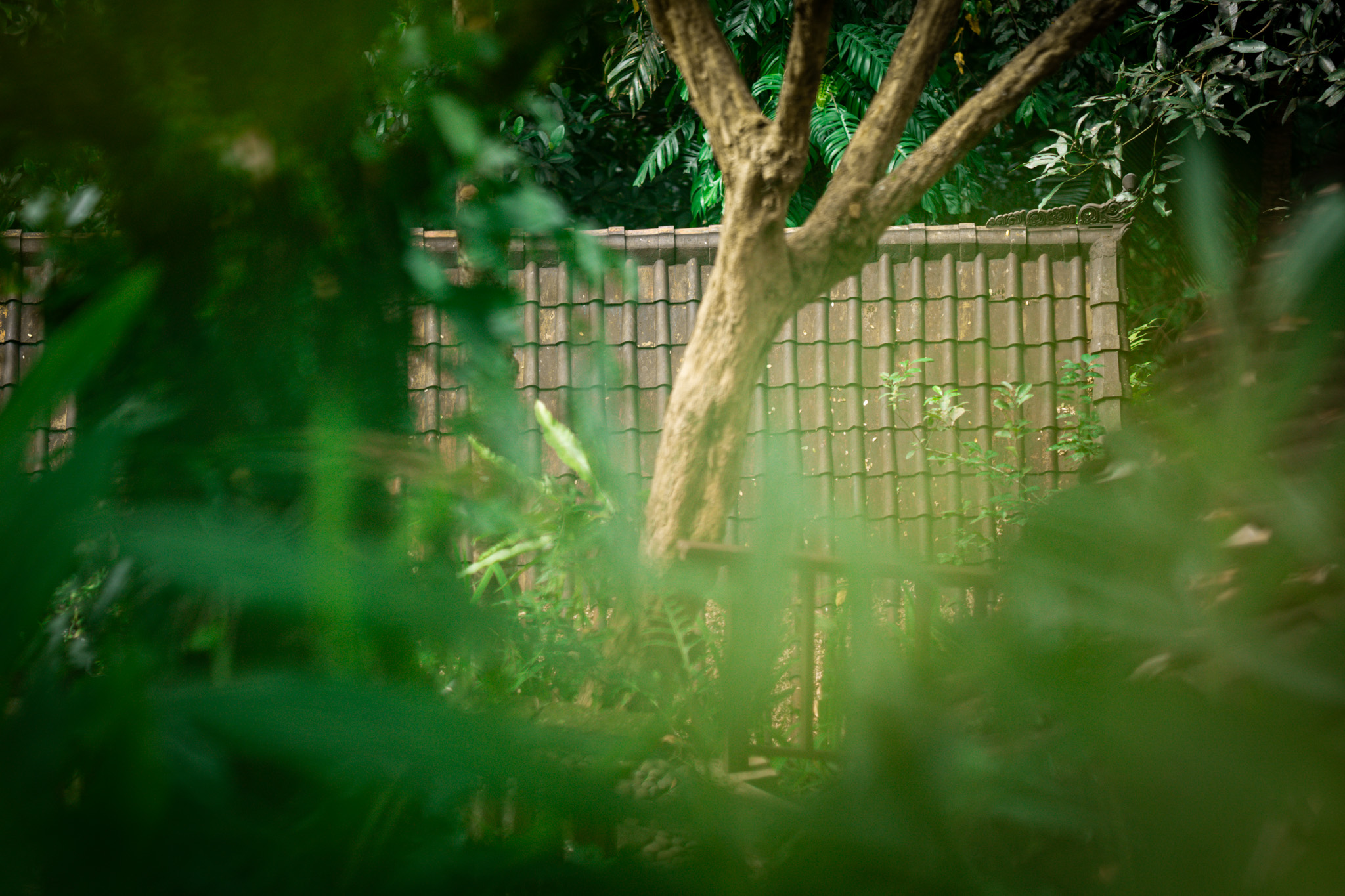
Nature is such a room. But it offers no shelter. It has invisible thresholds that mark no transition. Buildings have thresholds, not as decoration but as signal, as a physical boundary that says: From here different rules apply. From here there is a predefined path and goals and clear endpoints. Nature offers little orientation or endpoints, except the insurmountable ones.
Is there a threshold that says, set down what you carry with you. All the roles, the noise, the expectations you brought along. All the questions that have not yet received an answer and all the doubts that carry too much weight.
No room has a religion. They can welcome faith or not. Or only a particular one. But in themselves they have no dogma, no right or wrong. They offer presence for your presence. On equal terms. Room for letting go instead of performance. For silence instead of noise and what is, instead of what is expected.
The difference between relaxation and silence is: Relaxation is the absence of stress. Silence is the state in which you encounter yourself. Without your story that you normally tell about yourself or your roles that tell you. No narrative at all. Most people know this state from coincidences. An empty beach early in the morning. A mountain hut after a long climb. A moment in a foreign country where you know no one and no one wants anything from you. My moment was a roof in a forest in Bali.
The question is not what lies beneath the roof but what you yourself see and whether chance and the unpredictable are allowed to have space in architecture. Whether you can build a room so that it forces nothing but enables everything. Not for God or art. Not for therapy or any other task. Only for the person who needs a break from everything that defines them.
This is not a project in the usual sense. It is not a business plan and not a building proposal. It is a possibility that exists because the need exists. Whether it will one day become a building, I do not know. But since Bali the question will not let me go: If an accidental roof in a forest triggers these thoughts in me, what does a room trigger that was built for exactly this. Namely, that it remains without function, does nothing and allows new thoughts without making them its task.
How these texts are written is explained here.